Advising and consulting
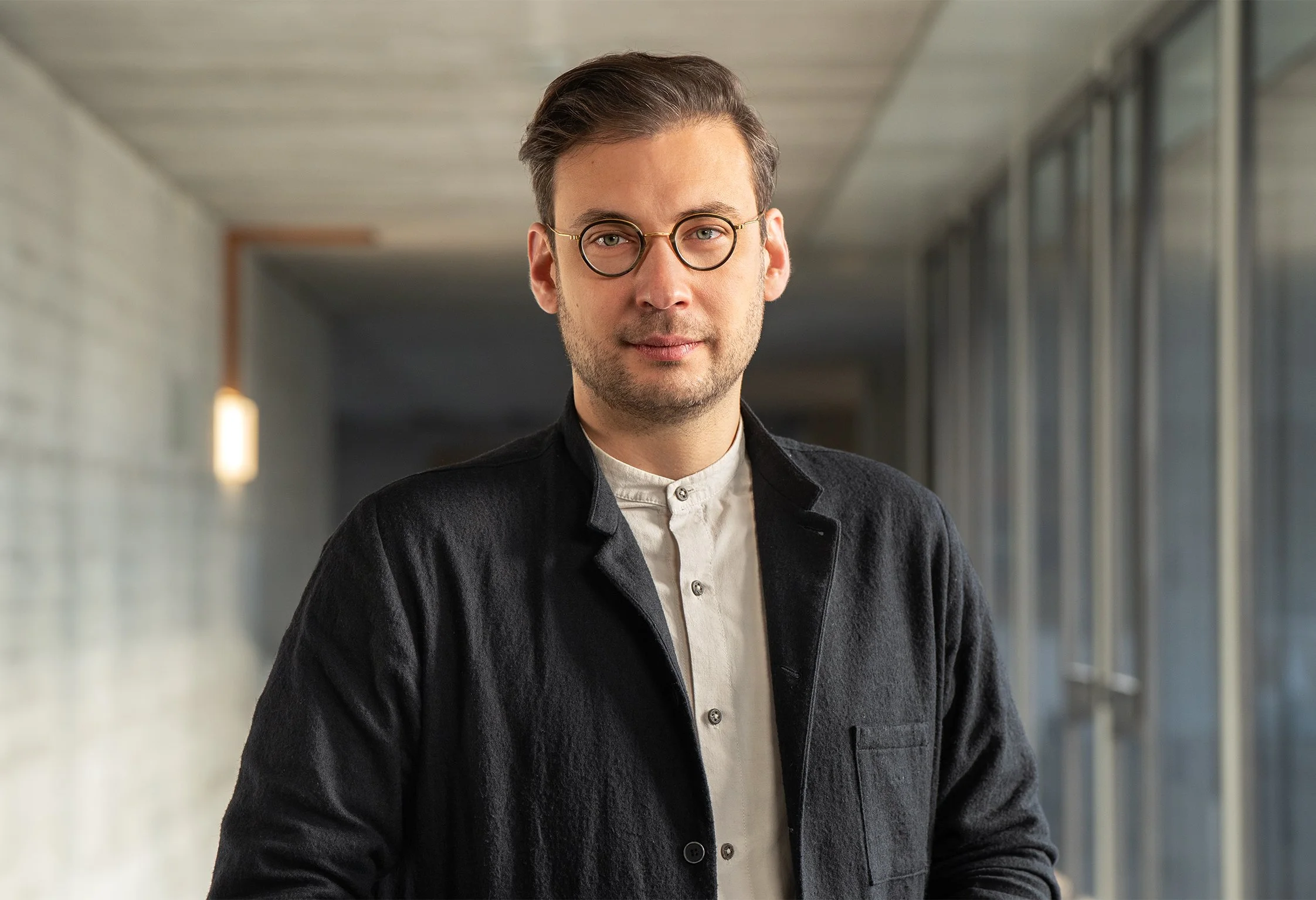
I advise, consult, and serve as a sparring partner for founders, executives, and boards across the DACH region and beyond on organizational design, change and transformation, new ways of working, and innovation. For more than a decade, my engagements have spanned DAX-listed multinationals, cooperative banks, professional service firms, music corporations, international organizations, and public-sector institutions. I encounter clients with curiosity, a deep interest in understanding the challenges they face, and a commitment to help them thrive in the digital age.
Whereas most advisory work matches a situation to an existing framework, mine starts with the situation itself, using the same analytical rigor that underpins my research to understand why your organization actually behaves the way it does. This approach enables me to deliver advice that is specific to your case, grounded in empirical evidence, and built not only to survive contact with reality but also to deliver true value for your organization.
Below, you can find a selection of my more recent bespoke work.
-
Many organizations have a problem with time that they cannot see. Yet, it is the hidden factor of time that frequently makes or breaks organizations. Temporal design is what I term my approach to organizational development. It foregrounds the shaping of organizational paces, rhythms, and horizons to provide a practical framework for leaders to move beyond many seemingly insurmountable organizational challenges. My clients regularly find that working with my framework makes way for temporal reflexivity, for setting the right priorities, not least in overlapping transformation processes, and for long-term perspectives in a fast-paced world. Alongside client mandates, I run executive workshops that build the reflexive bandwidth leadership teams need to question their implicit temporal assumptions.
-
Transformations stall when strategy moves faster than the underlying organizational culture. Executive teams tend to underestimate these cultural layers in change processes: leadership behaviors, informal routines, and trust dynamics, which usually decide whether transformation efforts actually stick. In a multi-year advisory role, I have worked with a DAX-listed telecommunications company, for example, accompanying its senior leadership through one of the most consequential cultural and digital transformations in the German corporate landscape. Alongside such engagements, I run trust and empowerment workshops for senior leaders and work with financial institutions on building internal transformation capabilities.
-
Organizations get stuck when their structure no longer matches the work they are doing and the goals they pursue. I bring my research and client experience to help companies identify structural bottlenecks, develop new organizational models that foster agility and collaboration, and to implement structural change that lasts. For example, in a recent, multi-year engagement I co-created and implemented a new organizational structure for an international organization, part of the United Nations system, with a focus on enhancing collaboration across its global network of institutes.
-
How people coordinate, make decisions, and allocate their attention at work no longer matches what knowledge-intensive, distributed, and digital environments require. Organizations keep running meetings designed for co-located teams, measuring productivity by hours rather than outcomes, and treating constant availability as a proxy for commitment. I work with companies rebuilding these defaults, recently, with a global entertainment group on culture and inclusive leadership across a distributed creative workforce. My work extends into executive programs on empowerment and collaboration, and into team-level interventions where groups renegotiate their own rules of availability and focus. Grounded in my research on knowledge work, the ambition is to release the potential of people rather than deplete it.
-
Most innovation programs don't fail for lack of ideas. They fail because organizations are built to perfect what they already do, not to explore what comes next. My work is about the organizational conditions under which new products, services, and technologies can actually take root: building ambidexterity to balance exploration and exploitation, redesigning leadership and culture for digital work, and — the point most executives miss — treating innovation as a question of rhythm and timing rather than speed. Breakthrough innovations rarely come from acceleration. They come from protecting the right time for exploration and knowing when to jump on a new path. The workshops and advisory mandates in this area consistently push executives to think past technological solutionism and instead focus on the organizational choices that decide whether an innovation survives first contact with the core business.